Services
High Frequency Xray and Procedures
High-frequency X-ray imaging is a cornerstone of modern medical diagnostics.
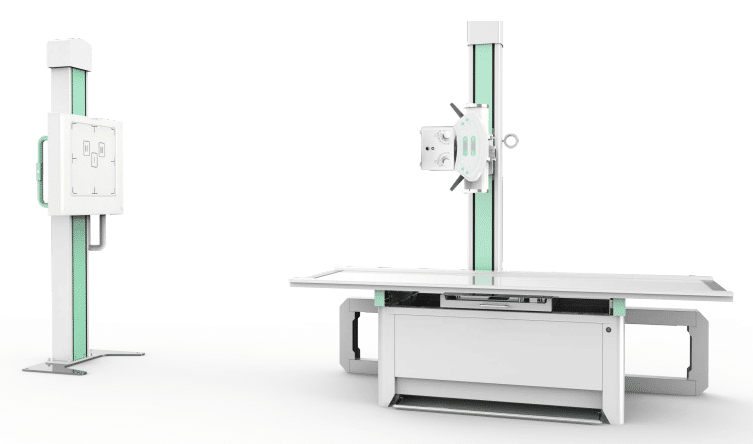
High-frequency X-ray imaging is a cornerstone of modern medical diagnostics. It delivers rapid, accurate, and non-invasive insights into internal anatomy and pathology, supporting early disease detection and effective treatment planning. With techniques ranging from conventional radiography to advanced CT scans, high-frequency X-rays remain essential in patient care.
NABH Accredited
PC-PNDT Compliant
About
What Are High-Frequency X-Rays?
High-frequency X-rays are a type of electromagnetic radiation with very short wavelengths and high energy, capable of penetrating body tissues to produce detailed internal images. In medical diagnostics, X-rays are used to visualize bones, organs, and soft tissues quickly and non-invasively, helping clinicians detect fractures, abnormalities, infections, and other conditions with clarity.
How Do High-Frequency X-Rays Work?
When high-frequency X-rays pass through the body, different tissues absorb radiation at different rates. Dense structures like bones absorb more X-rays, appearing lighter on the resulting image, while softer tissues absorb less and appear darker. Specialized detectors capture the remaining X-rays and convert them into digital images that doctors can interpret for diagnosis and treatment planning.
Why Choose High-Frequency X-Ray Imaging?
Fast and Efficient: X-ray imaging is rapid and often completed in minutes, allowing for quick clinical decisions.
Non-Invasive: It does not require incisions or invasive tools, making it comfortable and safe for patients.
Wide Diagnostic Use: X-rays assist in evaluating bone health, chest conditions, abdominal issues, dental concerns, and more.
Real-Time Visualization: Techniques like fluoroscopy enable continuous internal imaging during procedures.
Detailed Internal Views: CT scans expand diagnostic ability with detailed cross-sectional imaging.
Loin du marketing tapageur, amon casino préfère convaincre par la qualité concrète de son écosystème. L’expérience mobile s’adapte automatiquement à la largeur d’écran sans nécessiter de configuration manuelle. Les agents identifient leur fonction et s’expriment avec professionnalisme à chaque interaction. Les plafonds de retrait s’adaptent au statut du joueur dans le programme de fidélité. Les cashbacks du dimanche concluent la semaine sur une note compensatoire bienvenue. Les retours visuels confirment systématiquement les actions effectuées par l’utilisateur. Des dossiers thématiques explorent en profondeur certains genres ou certaines mécaniques de jeu. Les jeux Drops & Wins permettent de remporter des sommes aléatoires en plus des gains normaux. Les outils de jeu responsable comprennent l’auto-exclusion, les limites de dépôt et les rappels temporels. Une sélection d’exclusivités contractuelles avec certains studios crée un attrait supplémentaire. Un éventail de qualités qui font de cette adresse un choix raisonné dans le paysage francophone.
Safety and Radiation Considerations
X-rays use ionizing radiation, which can slightly increase long-term health risks at high doses. However, modern protocols and equipment minimize exposure by using the lowest radiation necessary to obtain quality images. Radiology teams also use shielding and protection measures when appropriate.
Types of X-Ray Imaging Procedures
Conventional X-Ray (Radiography)
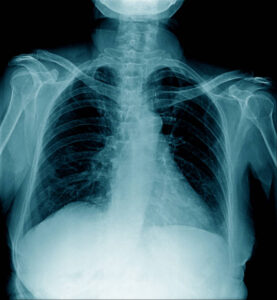
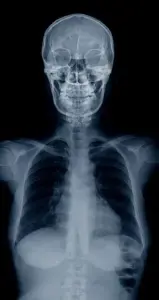
This is the most widely used X-ray technique. It captures a single still image of a specific body part, such as the chest, limbs, or spine, and is essential for diagnosing fractures, lung infections, arthritis, and other conditions.
Fluoroscopy
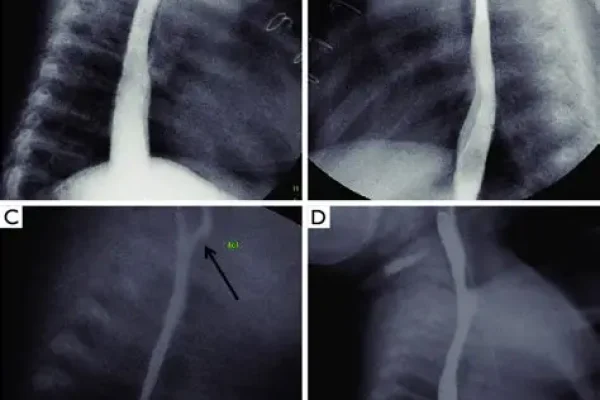
Fluoroscopy uses continuous X-ray beams to create real-time moving images. It is particularly useful during guided procedures — for example, to monitor the position of instruments, contrast flow through vessels, or organ motion.
Computed Tomography (CT)
A CT scan takes multiple X-ray images from different angles and reconstructs them into highly detailed cross-sectional or 3D images. CT imaging is invaluable for emergency diagnosis, cancer evaluation, and complex internal assessment.