Services
CT and Ultrasound Guided Procedure
CT and Ultrasound guided procedures are minimally invasive medical techniques that use real-time imaging to accurately guide needles or instruments inside the body.
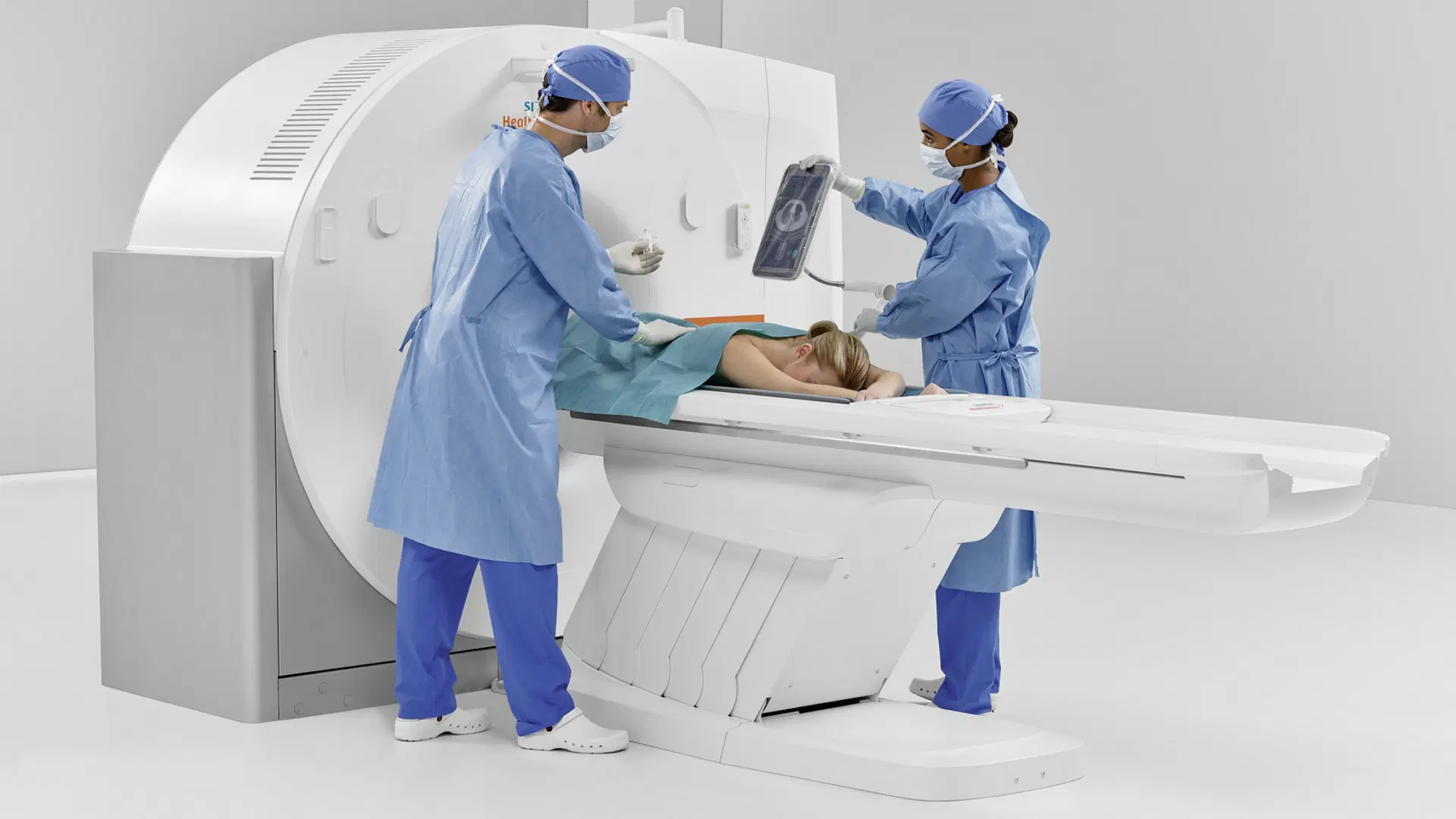
CT and Ultrasound guided procedures are advanced, minimally invasive techniques that use imaging technology to guide medical instruments with extreme precision. These procedures help doctors perform biopsies, drain fluids, inject medications, and treat tumors safely and effectively. With real-time visualization, the risk of complications is reduced and recovery time is faster. This modern approach ensures accurate diagnosis and targeted treatment with minimal discomfort to the patient.
NABH Accredited
PC-PNDT Compliant
Types of CT & Ultrasound Guided Procedures
Abscess & Fluid Drainage
Helps remove infected fluid collections from the body safely.
Tumor Ablation
Destroys abnormal tissue using heat, cold, or chemicals under imaging guidance.
Pain Management Injections
Precise injection of medication into spine, or nerves.
Catheter Placement
For drainage or medication delivery.
Image-Guided Biopsy
Used to collect tissue samples from organs like liver, lung, breast, kidney, or lymph nodes to detect cancer or infections.
About
What Are CT & Ultrasound Guided Procedures?
CT and Ultrasound guided procedures are minimally invasive medical techniques that use real-time imaging to accurately guide needles or instruments inside the body. These procedures help doctors perform biopsies, fluid drainage, injections, and tumor treatments with high precision while minimizing damage to surrounding tissues.
How Do CT & Ultrasound Guided Procedures Work?
During the procedure, imaging technology is used to visualize internal organs in real time:
- CT guidance provides detailed cross-sectional images. provides detailed cross-sectional images.
- Ultrasound guidance offers live imaging without radiation.
The doctor watches the screen and carefully guides the needle or instrument to the exact target location, ensuring maximum accuracy and safety.
Benefits of CT & Ultrasound Guided Procedures
- High accuracy
- Minimally invasive
- Faster recovery
- Reduced complications
- No major surgery
- Short hospital stay
- Real-time monitoring
- Safe and effective
Is It Safe?
Yes. These procedures are clinically proven and safe.
✔ Minimal pain
✔ Very low risk
✔ Local anesthesia
✔ Quick recovery
Who Needs Image-Guided Procedures?
Suspected tumors
Chronic pain patients
Fluid collections
Organ infections
Cancer diagnosis
Post-surgery complications
Preparation Before Procedure
Fasting may be advised
Inform about medicines
Blood tests may be required
Wear comfortable clothing
Follow doctor instructions
Procedure – What to Expect
Patient is positioned comfortably
Imaging scan is performed
Skin area is cleaned and numbed
Needle/instrument is guided using imaging
Procedure is completed carefully
Small dressing applied
Patient observed briefly
Le souffle nouveau apporté par casino extra se traduit par une approche qui sait conserver l’essentiel sans tomber dans la facilité. Paysafecard reste une option appréciée pour ceux qui privilégient la confidentialité des transactions. Les options de mise progressive guident les joueurs souhaitant monter en gamme prudemment. Les notices explicatives détaillent les conditions de chaque promotion en cours. Les amateurs de slots à volatilité maîtrisée trouvent un large éventail de titres correspondant à des budgets modérés. Les boutons sont calibrés pour une utilisation tactile fluide même sur écrans étroits. Les boost de gains, parfois proposés, multiplient certaines récompenses lors d’événements limités. Le tableau de bord centralise l’historique, les bonus actifs et les transactions récentes. Les outils de modération de jeu sont activables directement depuis le tableau de bord du joueur. Les croupiers, formés à l’animation, interagissent avec les joueurs francophones dans une langue maîtrisée. Au bout du parcours, l’impression globale demeure clairement positive et invite à la fidélité.