Services
Infertility
Infertility investigation involves a comprehensive look at both partners, starting with medical history and physical exams, then moving to specific tests like semen analysis for men (count, motility, shape) and ovulation/hormone tests (FSH, AMH, Progesterone), pelvic ultrasound, and Hysterosalpingography (HSG) for women to check tubes and uterus, with further steps including laparoscopy or advanced genetic/sperm DNA tests if needed, to identify causes like blockages, hormonal issues, or sperm problems.
For Women
- History & Exam: Detailed menstrual, sexual, and medical history; physical & pelvic exam.
- Ovulation Testing: Blood tests for Progesterone (mid-cycle), FSH, LH, Prolactin, Thyroid (TSH), AMH (Ovarian Reserve).
- Imaging:
- Pelvic Ultrasound: Checks uterus, ovaries for abnormalities.
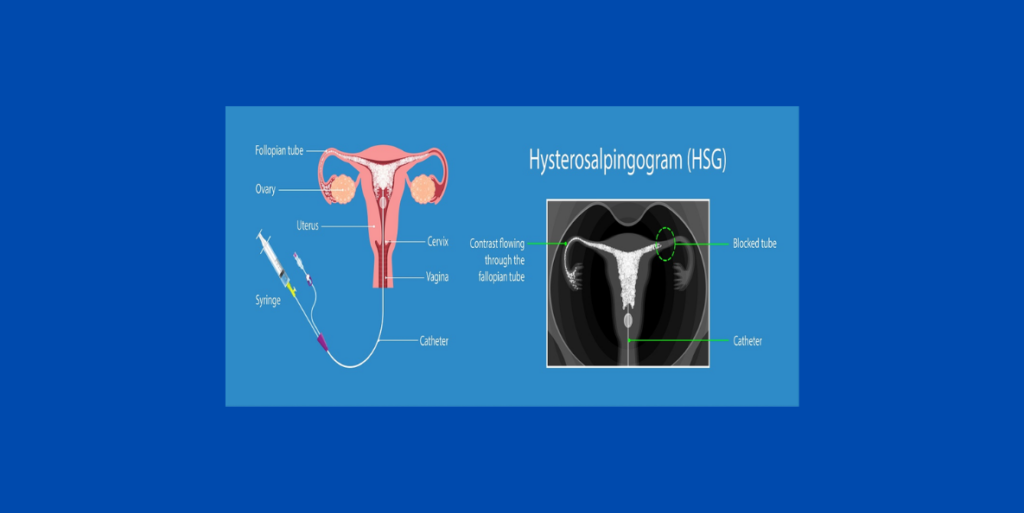
- Hysterosalpingography (HSG): Dye X-ray to check fallopian tubes and uterine cavity.
- Sonohysterography: Saline infusion to see inside uterus.
- Advanced Tests: Hysteroscopy (view inside uterus), Laparoscopy (view abdomen/pelvis for endometriosis, adhesions), Genetic Testing, Endometrial Biopsy, Sperm-Cervical Mucus Interaction.
For Men
- History & Exam: Detailed sexual, medical history, and physical exam.
- Semen Analysis: Essential check of sperm count, motility (movement), and morphology (shape).
- Hormone Tests: Blood tests for FSH, LH, Testosterone, Prolactin if indicated.
- Advanced Tests: Sperm DNA fragmentation, Genetic testing, Ultrasound of scrotum/testes, Postcoital test.
Both Partners (Common/Advanced)
- Genetic Testing: For chromosomal abnormalities (Karyotype).
- Infectious Disease Screening: STIs.
Next Steps
- The diagnostic process pinpoints issues like irregular ovulation, male factor infertility (sperm), tubal blockage, or hormonal imbalances, guiding treatment.
- In some cases, infertility remains unexplained, requiring further investigation or treatment like IVF.
Most Common Investigation for Female
Hysterosalpinogram (HSG)
HSG, or Hysterosalpingogram, is a diagnostic X-ray test that uses contrast dye to examine the shape of the uterus and check if the fallopian tubes are open, helping doctors find causes of female infertility like blockages or structural issues. During the procedure, dye is injected through the cervix, and X-rays track its path through the reproductive system, revealing blockages or abnormalities.
What it checks for:
- Fallopian Tube Blockages: Determines if tubes are open for sperm and egg to meet.
- Uterine Shape: Identifies abnormalities like polyps, fibroids (within the cavity), or irregular shape.