List of Scans During Pregnancy : A Complete Guide for Expecting Mothers in Jalandhar
Pregnancy is an important journey, and regular prenatal checkups and recommended ultrasound scans help doctors monitor the baby’s growth and development. Understanding the different scans performed during pregnancy can help expecting mothers know what to expect at each stage.
Table of contents
- What Are Pregnancy Scans and Why Are They Important?
- First Trimester Pregnancy Scans
- Second Trimester Pregnancy Scans
- Third Trimester Pregnancy Scans
- Pregnancy Scan Schedule: Which Scan is done in which Month?
- How many Ultrasound Scans are needed during Pregnancy ?
- Which Scan is Best During Pregnancy?
- Does and Don’ts Before a Pregnancy Scan
What Are Pregnancy Scans and Why Are They Important?
Pregnancy scans are an important part of prenatal care. Ultrasound examinations allow healthcare professionals to monitor the baby’s growth and development and assess different aspects of the pregnancy at recommended stages.
Different scans may be recommended during pregnancy depending on the stage of pregnancy, medical history and individual clinical needs. Understanding the purpose of each scan can help expecting mothers know what to expect during their pregnancy journey.
PREGNANCY SCANS ARE IMPROTANT
First Trimester Pregnancy Scans
The first trimester is an important stage of pregnancy when early scans help confirm the pregnancy and assess the baby’s development. Depending on your health, symptoms, and pregnancy history, your doctor may recommend an ultrasound to check your baby’s growth and overall well-being.
Early Pregnancy Ultrasound
An early pregnancy ultrasound is often used to confirm the pregnancy, check its location, estimate gestational age, and assess the baby’s early development. Depending on the stage of pregnancy, the scan may also help detect the baby’s heartbeat and provide important information about the pregnancy.
Dating Scan
A dating scan helps estimate how far along the pregnancy is and provides an expected due date. It can also be used to check the baby’s heartbeat, development, and whether the pregnancy is progressing as expected.
Nuchal Translucency (NT) Scan
A Nuchal Translucency (NT) scan is usually performed between 11 and 14 weeks of pregnancy. It measures the fluid at the back of the baby’s neck and may be combined with blood tests to assess the risk of certain chromosomal conditions.
These scans provide valuable information about the early stages of pregnancy and help healthcare professionals monitor the baby’s development. The exact scans recommended may vary depending on the mother’s health and individual pregnancy needs.
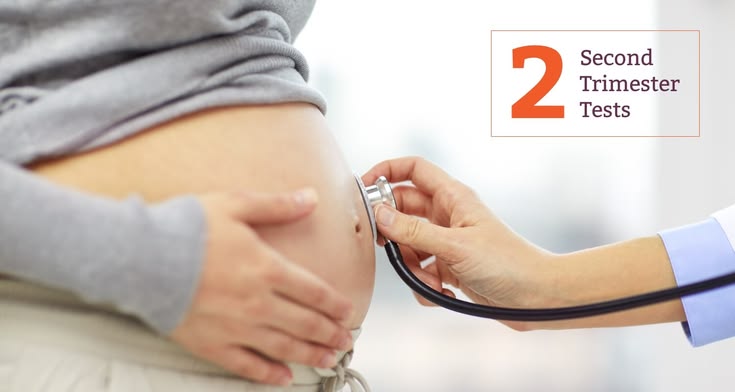
Second Trimester Pregnancy Scans
The second trimester is an important period for monitoring your baby’s growth and development. During this stage, ultrasound scans can provide detailed information about the baby’s anatomy, growth, and overall well-being.
Anomaly Scan (Level II Ultrasound)
The anomaly scan is the most detailed scan of pregnancy. It is usually done between 18 and 20 weeks, and some doctors extend the window to 22 weeks. The sonographer checks the baby’s brain, face, spine, heart, lungs, abdomen, kidneys, arms and legs. The scan also assesses the placenta, the amount of amniotic fluid and the position of the umbilical cord.
This scan looks for structural differences that may need extra monitoring or planning before delivery. A normal result is reassuring, but no scan can detect every condition. If something needs a closer look, your doctor will explain the next steps calmly and clearly. A detailed fetus scan performed by a radiologist trained in foetal medicine gives the most reliable picture at this stage.
Growth Scan
If your doctor wants to check how well your baby is growing, a growth scan may be advised in the second trimester. It measures the head, abdomen and thigh bone to estimate weight and compares these with expected values for your stage of pregnancy.
Cervical Length Scan
For some women, especially those with a history of preterm birth or late miscarriage, doctors measure the length of the cervix. A shorter cervix can raise the risk of early delivery, and knowing this allows timely treatment.
Colour Doppler Scan
Colour Doppler studies blood flow in the umbilical cord, the placenta and the baby’s vessels. It may be recommended if there is high blood pressure, diabetes, a small baby or a previous pregnancy complication. It is offered as part of our 3D/4D ultrasound and colour Doppler service.
Third Trimester Pregnancy Scans
The third trimester runs from about week 28 until delivery. The focus shifts from structure to growth, well-being and readiness for birth. Not every woman needs every scan below. Your doctor will decide based on your health and the way your pregnancy is progressing.
Third Trimester Growth Scan
A growth scan around 28 to 36 weeks estimates your baby’s weight, checks the position of the head and body, and measures amniotic fluid. It helps identify babies who are growing more slowly or faster than expected.
Doppler Scan in the Third Trimester
Doppler is especially useful late in pregnancy. It checks whether the placenta is delivering enough blood and oxygen. Doctors often advise it in pregnancies affected by high blood pressure, diabetes, reduced growth or reduced baby movements.
Biophysical Profile (BPP)
The biophysical profile scores your baby’s breathing movements, body movements, muscle tone and amniotic fluid. It gives doctors a quick overview of the baby’s well-being and may be recommended in high-risk pregnancies or when a pregnancy goes past its due date.
Placenta Position and Presentation Scan
Towards the end of pregnancy, a scan confirms where the placenta lies and whether the baby is head-down, breech or lying sideways. This information is important for planning the safest mode of delivery.
Pregnancy Scan Schedule: Which Scan Is Done in Which Month?
The table below shows a general guide. Your own schedule may differ, so always follow your doctor’s advice.
| Month | Weeks (approx.) | Common scan |
|---|---|---|
| Month 2 | 6–8 weeks | Early pregnancy / dating scan |
| Month 3 | 11–14 weeks | Nuchal Translucency (NT) scan |
| Month 5 | 18–20 weeks | Anomaly scan (Level II) |
| Month 6 | 20–24 weeks | Cervical length or Doppler, if advised |
| Month 7 | 28–32 weeks | Growth scan, Doppler if advised |
| Month 8–9 | 32–36 weeks | Growth, BPP, placenta and position scan |
You can estimate your due date and key scan windows using the LMP calculator on our website.
How Many Ultrasound Scans Are Needed During Pregnancy?
There is no single number that fits everyone. In a low-risk pregnancy, women commonly have three to five scans: an early scan, an NT scan, an anomaly scan and one or two growth or well-being scans. Women with high-risk pregnancies, such as those with diabetes, high blood pressure, twins, previous complications or reduced baby movements, may need more.
Ultrasound uses sound waves, not radiation, and is widely used in pregnancy when it is medically indicated. The right approach is to have the scans your doctor recommends, at the recommended time, rather than choosing a number yourself.
Which Scan Is Best During Pregnancy?
No single scan is “best” for everyone, because each one answers a different question.
- The early or dating scan confirms the pregnancy and gives an accurate due date.
- The NT scan assesses early risk for certain chromosomal conditions.
- The anomaly scan gives the most detailed check of the baby’s organs and structure. Many doctors consider it the most important scan of the pregnancy.
- Growth and Doppler scans are the most useful in the last months when well-being needs monitoring.
- 3D/4D scans give lifelike images of the baby’s face and movements. They are a wonderful keepsake, but the routine diagnostic scans above are the ones that protect your pregnancy.
The best scan is the one your doctor advises at the right stage, performed by an experienced radiologist on good-quality equipment.
A note on the law: in India, it is illegal to reveal or ask about the baby’s sex during a scan under the PCPNDT Act. Reputable centres, including ours, follow this rule strictly.
Do’s and Don’ts Before a Pregnancy Scan
Do
- Carry your doctor’s prescription and all previous reports.
- Know the first day of your last menstrual period (LMP).
- Follow the preparation given when you book. For early scans and some pelvic scans you may need a comfortably full bladder. For most later scans it is not necessary.
- Wear loose, comfortable clothing that allows easy access to your abdomen.
- Bring a family member if it will make you feel more at ease. Ask your centre about their visitor policy.
- Note down your questions in advance so nothing is forgotten.
- Eat and drink normally unless you are told otherwise.
Don’t
- Don’t skip a recommended scan out of fear or because you feel well.
- Don’t compare your report with another woman’s. Every pregnancy and every baby is different.
- Don’t rely on online reports or social media to interpret results. Ask your doctor.
- Don’t apply creams or oils on your abdomen just before the scan, as it can make the procedure messier.
- Don’t panic if a report mentions a “soft marker” or a follow-up scan. This is often just a request for a closer look.
- Don’t ask for gender determination. It is prohibited by law.
Book Your Pregnancy Scan in Jalandhar
At Alfa Imaging & Diagnostics, our radiologists have advanced training in foetal medicine. They perform dating scans, NT scans, anomaly scans, growth and Doppler studies in a calm, comfortable setting, and they explain every finding in simple language. Call +91 6280279272 or visit our contact page to book your appointment.